
Gum Disease Treatment in Pleasanton, CA
Gum disease is one of the most common reasons a general dentist refers a patient to a periodontist. At Pleasanton Periodontics and Implants, Dr. Bao Jabbar provides a full range of periodontal treatment to protect the gums and bone that support your teeth, from thorough periodontal cleaning to more involved surgical care when it is needed.
Periodontal Care in Pleasanton, CA
Why Gum Health Matters for Your Whole Mouth
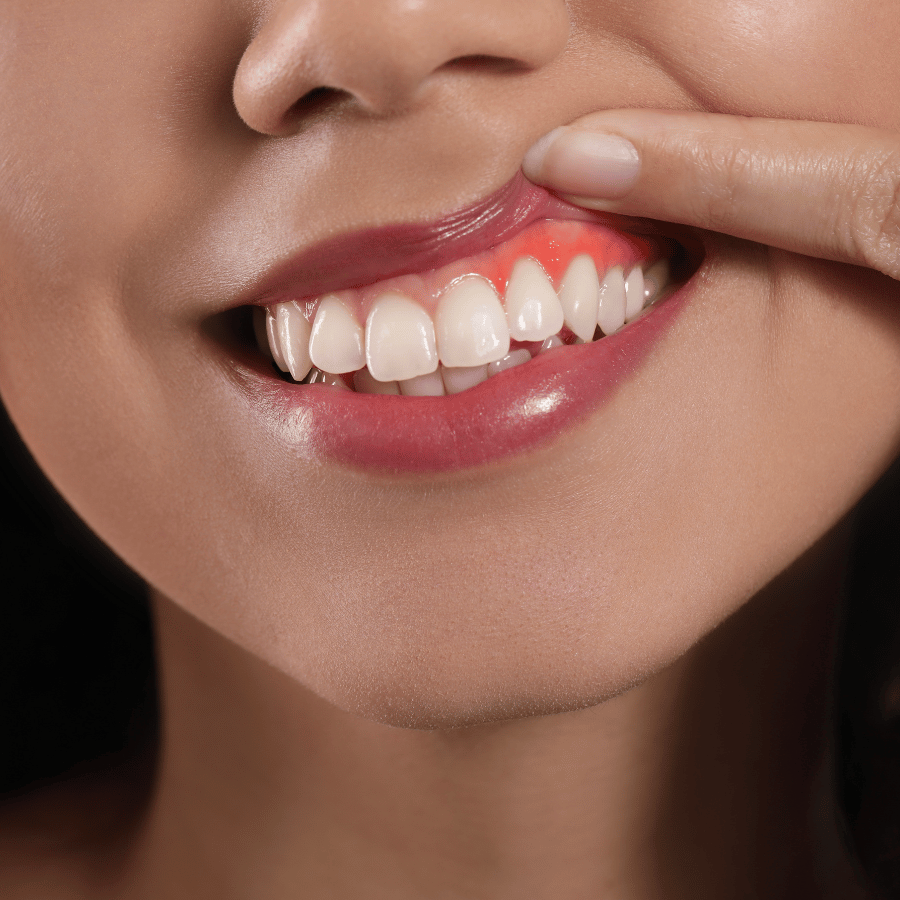
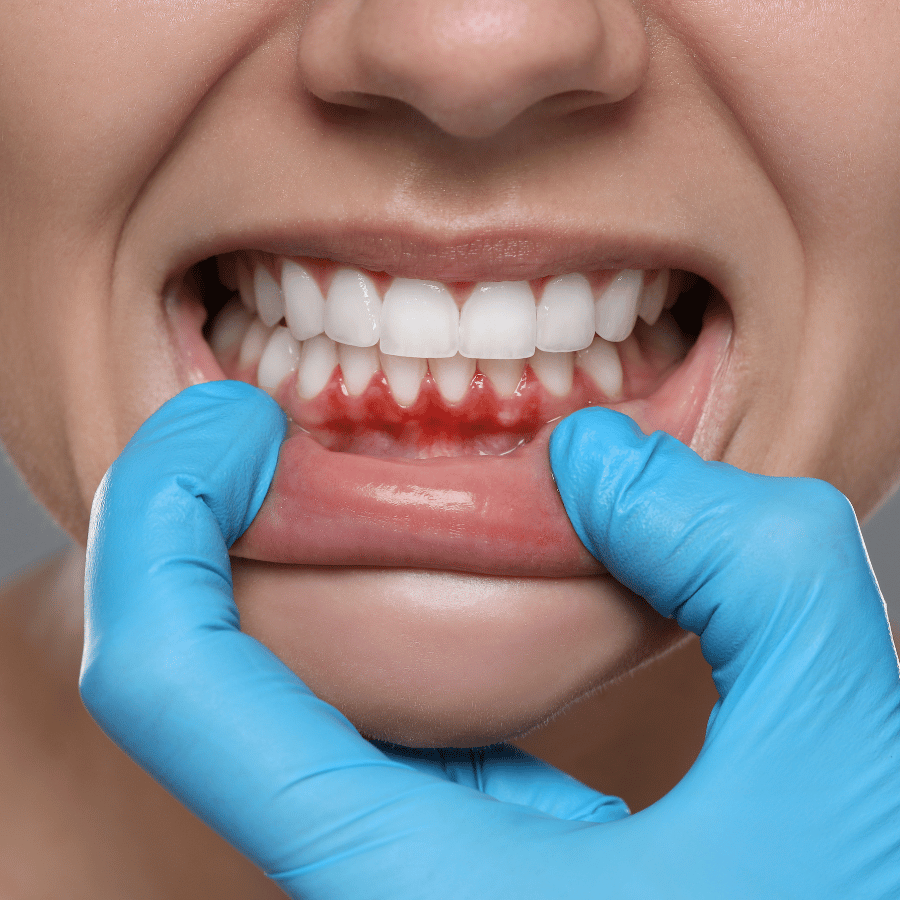
Your gums and jawbone form the foundation that keeps your teeth in place. When gum disease takes hold, that foundation can break down quietly, often without obvious pain in the early stages. A periodontist specializes in exactly this tissue and bone, making a specialist evaluation an important step when your general dentist notices signs of periodontal disease. Dr. Jabbar is a board-certified periodontist who focuses on diagnosing the extent of infection or damage and building a treatment plan that fits your specific situation. Not every case requires surgery. The right approach depends on how far the disease has progressed and how the tissue is responding.
Treatment Options
From Periodontal Cleaning to Surgical Care
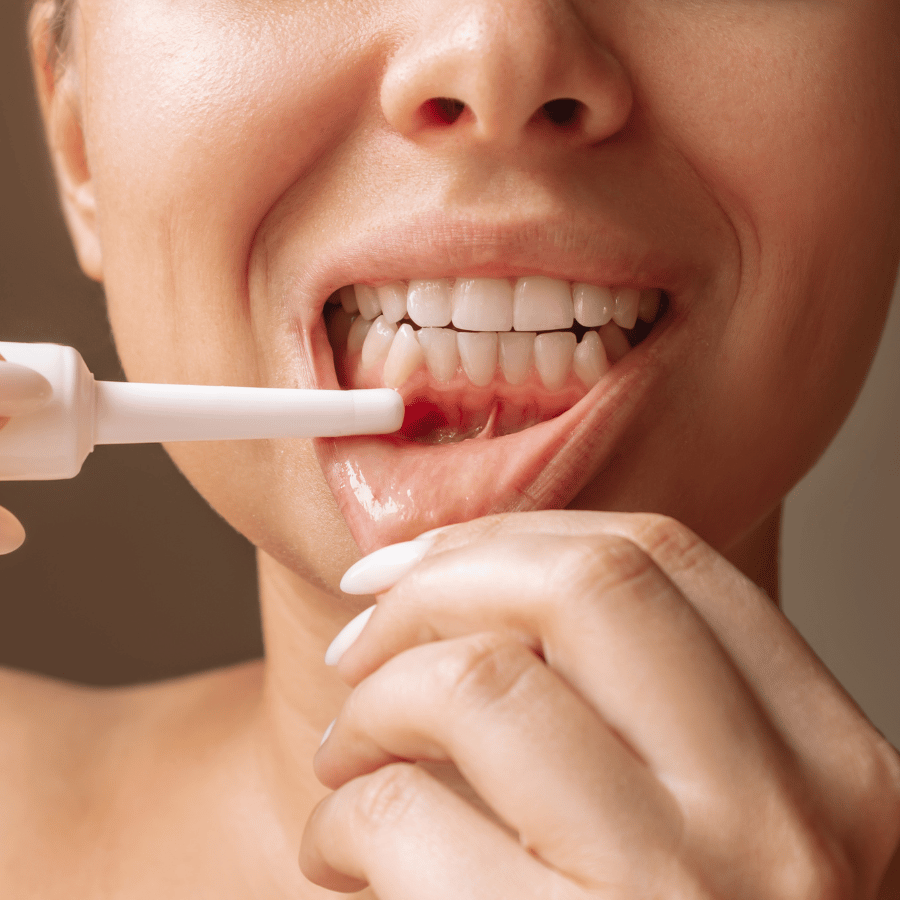
Gum disease treatment at Pleasanton Periodontics and Implants covers the full continuum of periodontal care. For patients in earlier stages, a thorough periodontal cleaning can remove the bacterial buildup that drives infection below the gumline. When disease has advanced into the bone and deeper pockets have formed around the teeth, pocket reduction surgery may be recommended to give the tissue a healthier environment in which to heal. Osseous surgery addresses the bone and tissue damage that results from longer-standing infection. In cases where excess gum tissue is affecting tooth structure or contributing to disease, a gingivectomy can reshape that tissue precisely. Dr. Jabbar walks through each option in detail so you understand what is involved before any treatment begins.
Specialist-Led Treatment Planning
Personalized Evaluation and a Plan That Makes Sense
One of the things that sets a periodontal specialist apart is the time spent on evaluation and education. The team at Pleasanton Periodontics and Implants may spend up to 90 minutes with you during your first visit, reviewing your condition, explaining what is happening with your gum tissue and bone, and laying out a clear treatment path. That unhurried approach matters especially when a diagnosis feels unfamiliar or overwhelming. Dr. Jabbar is a board-certified periodontist and implant specialist. She also serves as an Adjunct Clinical Assistant Professor at the University of the Pacific Arthur A. Dugoni School of Dentistry, bringing both clinical depth and a commitment to patient education to every case.
Comfort During Treatment
IV Conscious Sedation Is Available for Supported Procedures
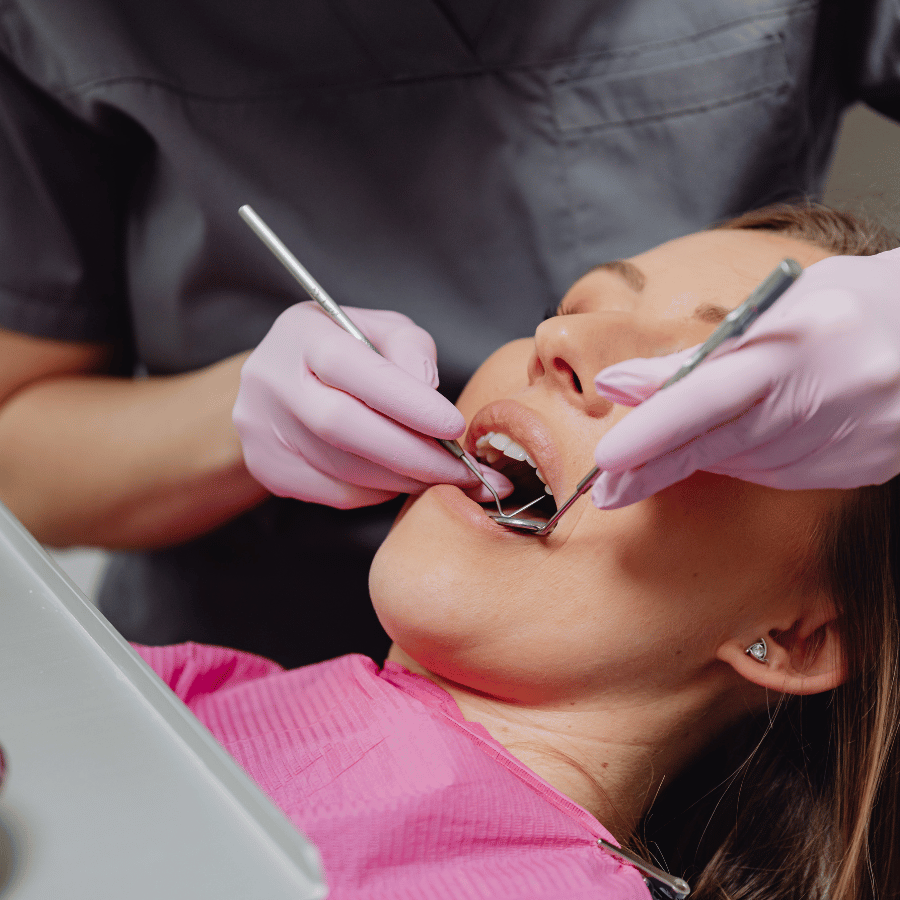
Anxiety about periodontal procedures is common, and it should not stand between a patient and the care they need. For eligible patients, IV conscious sedation is available as a comfort option during supported periodontal treatment. Dr. Jabbar is sedation certified, and candidacy is determined through a professional evaluation rather than assumed. If sedation is something you want to discuss, that conversation is a natural part of your treatment planning appointment.
Your Questions Answered
Common Questions About Gum Disease Treatment
What is the difference between gingivitis and periodontitis?
Gingivitis is an early, reversible stage of gum disease where the gums become inflamed due to bacterial buildup along the gumline. With proper cleaning and care, the tissue can return to a healthy state. Periodontitis is a more advanced stage in which the infection has spread below the gumline and begun to damage the bone and connective tissue holding the teeth in place. At that point, more involved periodontal treatment is typically needed. A periodontist can assess how far the disease has progressed and recommend the appropriate level of care for your situation.Why would a general dentist refer me to a periodontist for gum disease?
A periodontist is a dental specialist who focuses specifically on the gums and the bone that supports the teeth. When gum disease has advanced beyond what routine dental care can address, or when tissue and bone loss is more complex, a general dentist will often refer the patient to a periodontist for a more thorough evaluation and targeted treatment. Dr. Jabbar is board-certified in periodontics and brings specialist-level training to diagnosing and treating conditions that go beyond the scope of a general dental practice.What does pocket reduction surgery involve, and when is it recommended?
Pocket reduction surgery addresses the deepened spaces that form between the teeth and gums when gum disease has caused the tissue to pull away from the tooth. These pockets collect bacteria and are difficult to clean with standard brushing or professional cleaning. During the procedure, the tissue is folded back to allow thorough removal of bacteria and damaged tissue, and the area is then repositioned to reduce pocket depth. It is typically recommended when pockets are too deep to be managed through non-surgical cleaning alone and when the supporting bone has been affected.What is a gingivectomy and how does it relate to gum disease?
A gingivectomy is a procedure that removes and reshapes excess or diseased gum tissue. In the context of gum disease, it is sometimes used when overgrown or deteriorated tissue is contributing to deep pockets where bacteria accumulate, making the area difficult to keep clean. By removing that tissue, the procedure reduces the environment where infection can persist. It may also be used when gum tissue overgrowth is affecting the structure of the tooth. Whether a gingivectomy is appropriate depends on the individual condition and is determined through a full periodontal evaluation.Are there comfort options available for patients who feel anxious about periodontal procedures?
Most periodontal procedures are performed with local anesthesia to minimize discomfort during treatment. For patients who feel significant anxiety, IV conscious sedation is available for supported periodontal treatment at Pleasanton Periodontics and Implants. Dr. Jabbar is sedation certified, and whether sedation is appropriate for a given patient is determined through a professional evaluation. The goal is to make sure discomfort or anxiety does not prevent someone from receiving the care they need.Does Pleasanton Periodontics and Implants accept dental insurance for gum disease treatment?
The practice operates on a fee-for-service basis and does not accept dental insurance. Patients are responsible for payment directly. For those who need help managing the cost of treatment, Cherry financing is available as a patient payment option.How long does gum disease treatment take, and will I need more than one appointment?
The length of treatment depends on the severity of the condition and which procedures are recommended. A thorough periodontal cleaning may be completed in one or a few appointments, while surgical procedures such as pocket reduction or osseous surgery are typically scheduled separately with recovery time in between. During your initial evaluation, which may last up to 90 minutes, Dr. Jabbar will outline a treatment plan that gives you a clear sense of the steps and timing involved before any care begins.
Patient Feedback
What Patients Say About Their Care